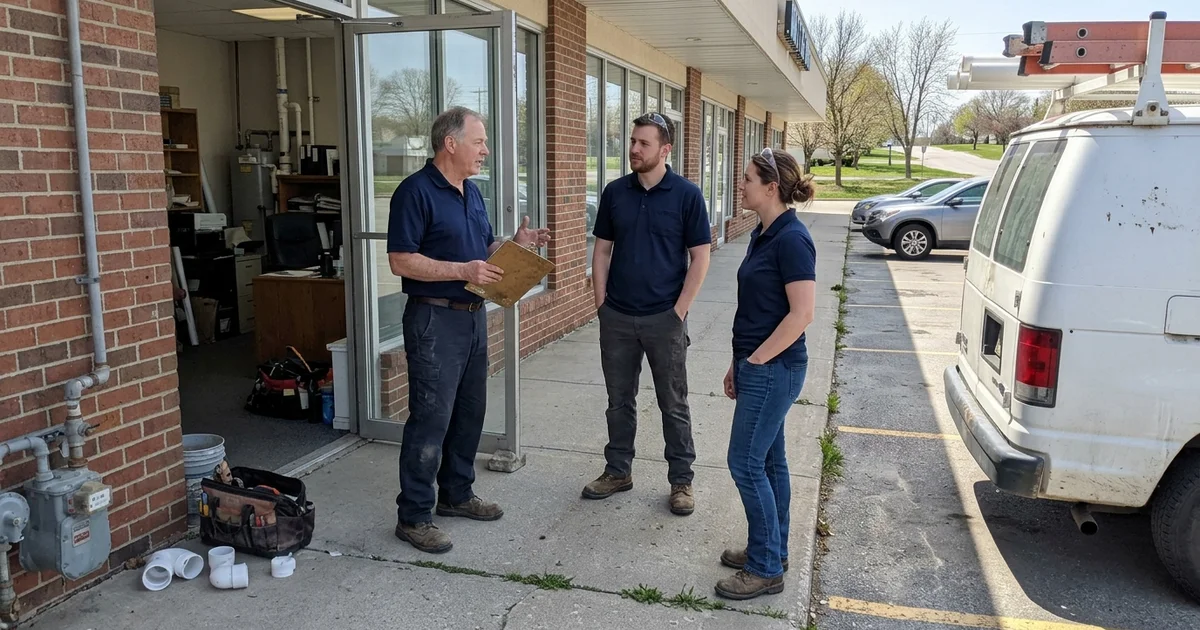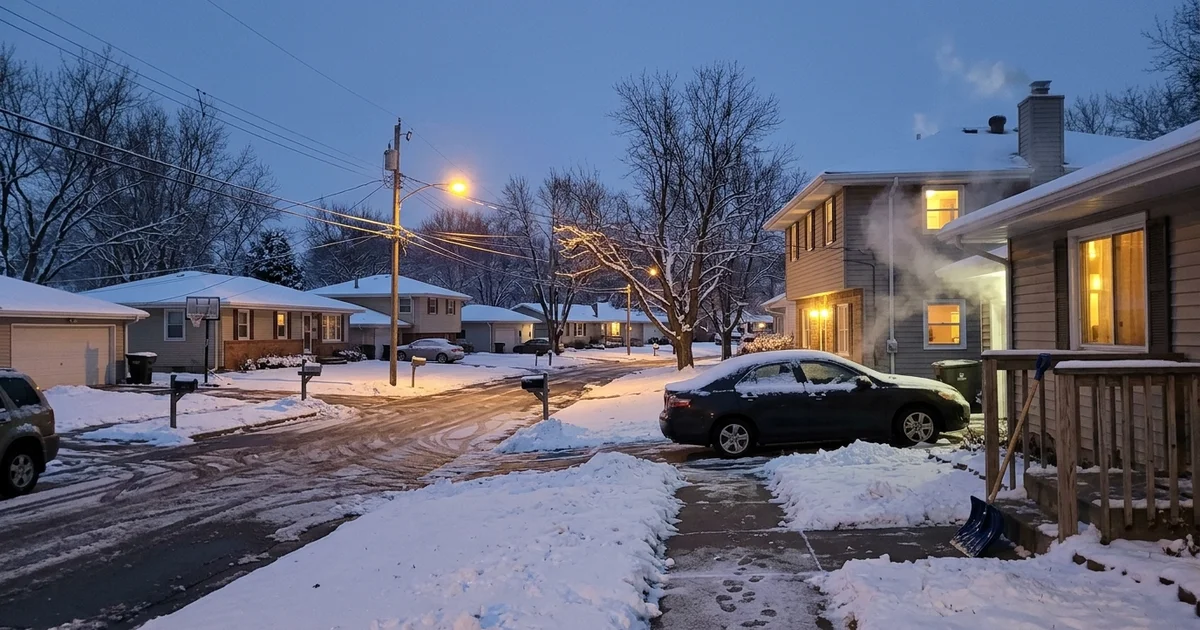
When the furnace kicks on for the season and the windows stay shut until spring, Iowa homes change. They hold heat, they hold moisture, and they can hold more radon. That’s why heating season is one of the best times of year to test your home, and why we’re opening our winter 2026–27 testing schedule now.
Why Winter Is a Good Time to Test
Radon is a gas that comes up from the soil under your house. How much of it gets inside depends a lot on air pressure, and winter tilts that balance toward your basement.
It comes down to the stack effect. When it’s cold outside and warm inside, heated air rises and leaks out the top of the house. Replacement air has to come in somewhere, and some of it gets pulled from the soil through the basement floor, the sump pit and small cracks. On a 5°F January night in Des Moines, that pull is strong.
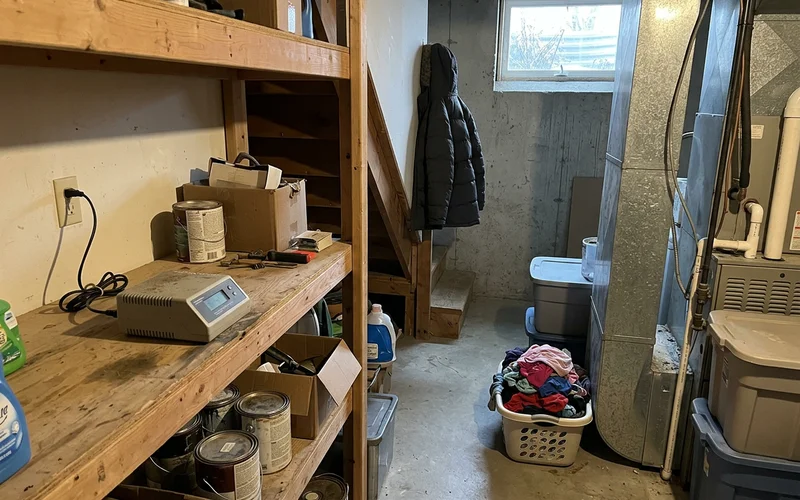
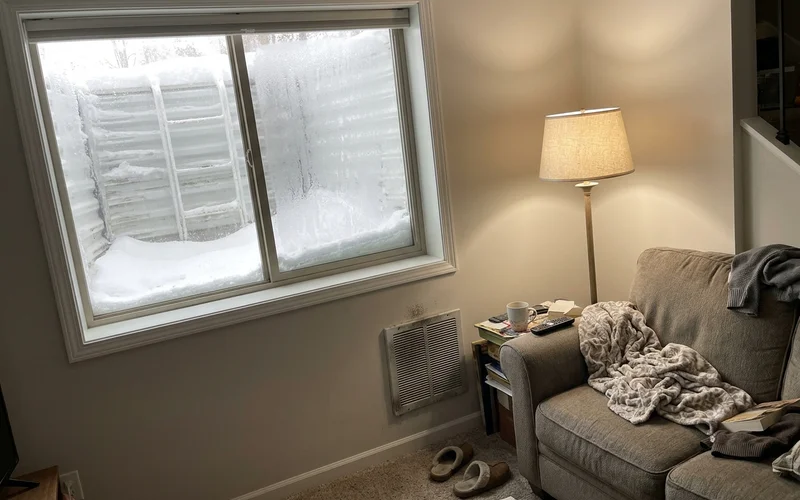
Winter also matches the way you actually live. From November through March, most Central Iowa families keep the house closed up, so a test run now reflects months of real exposure. And because closed-house conditions happen naturally this time of year, there’s less to remember during the test.
Good to know
January is National Radon Action Month. It’s a busy time for testers across Iowa, so booking in November or December usually means more flexible dates.
How Our Winter Tests Work
We use calibrated continuous radon monitors and the standard 48-hour closed-house protocol:
- A credentialed technician places the monitor in your lowest lived-in level, usually the basement, away from the sump and drafts.
- Keep windows and outside doors closed except for normal coming and going. Run your furnace as usual.
- The monitor logs radon every hour for at least 48 hours.
- After pickup, you get a report with your average pCi/L and an hourly graph.
Every technician who tests your home holds an Iowa HHS radon credential and national training from NRPP, NRSB, CERTI or ICA School. Learn more about our radon testing service.
What If Your Result Is High?
If your winter result is 4.0 pCi/L or higher, the EPA recommends fixing your home. Between 2.0 and 4.0, it suggests considering it. Don’t let the season stop you. We install radon mitigation systems all winter long, and most installs are done in one visit.
Our sub-slab systems routinely bring Central Iowa homes from above 4.0 pCi/L to below 1.0 pCi/L, with up to 98.9% reduction. Every system includes a clearance test and a 5-year warranty. Our guide on what to do after a high radon test walks through the next steps in order.
Who Should Test This Winter?
- Homeowners who’ve never tested. Every Iowa county is in EPA Radon Zone 1. Our guide on why radon levels are so high in Iowa explains why.
- Families who finished a basement or changed their HVAC since their last test.
- Homes with a radon system that haven’t been retested in two years.
- Sellers planning a spring listing. Testing now gives you time to fix a high result before buyers start inspections.
Book Your Winter 2026–27 Test
We test homes across Des Moines and 12 Central Iowa counties, from Ankeny and Ames to Waukee, Pella and Newton. Booking is open 24/7. Call (515) 218-7447 any time, day or night, and a real person will help you pick a date.
Ready to test before the January rush? Book your radon test