Why Is Radon So High in Iowa?
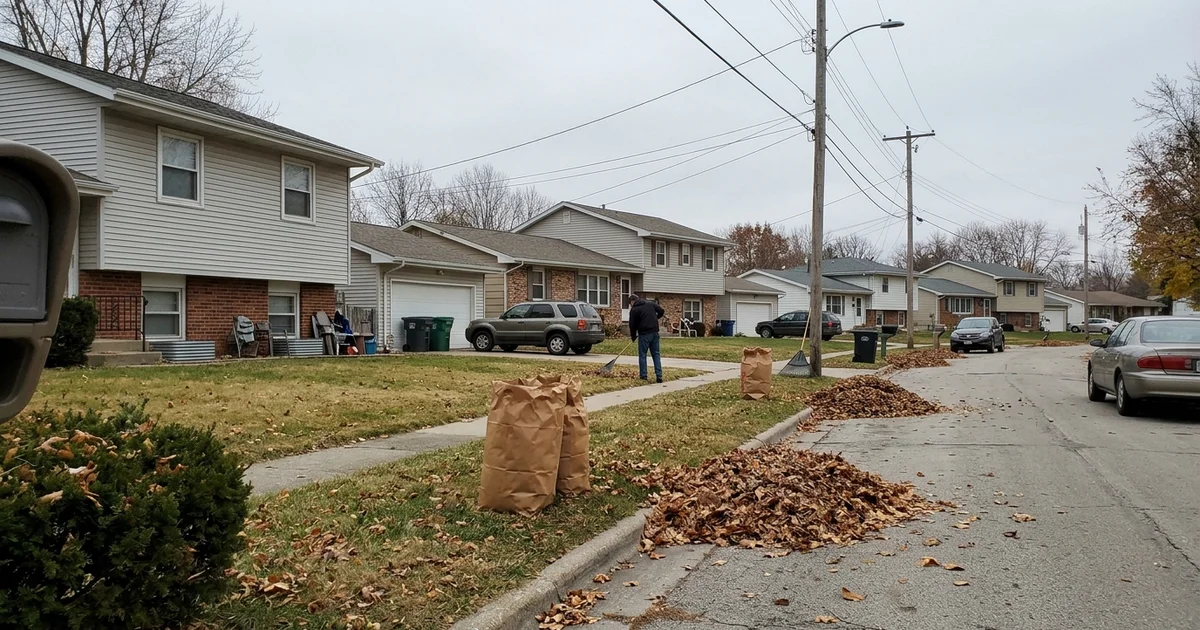
Iowa has some of the highest indoor radon levels in the country because of what’s under it. Glaciers ground up uranium-bearing rock and spread it across the state as fine, deep soil. That uranium slowly breaks down into radon gas, and Iowa homes, with their basements and cold winters, are very good at drawing that gas inside.
That’s why the EPA places all 99 Iowa counties in Radon Zone 1, its highest potential category. It doesn’t mean every house is high. It means the odds are high enough that every house should be tested, and many need radon mitigation to bring levels down.
Key fact
Zone 1 means a predicted average indoor level above 4.0 pCi/L. Every county in Iowa is in Zone 1. Very few states can say that.
The Des Moines Lobe, Explained Simply
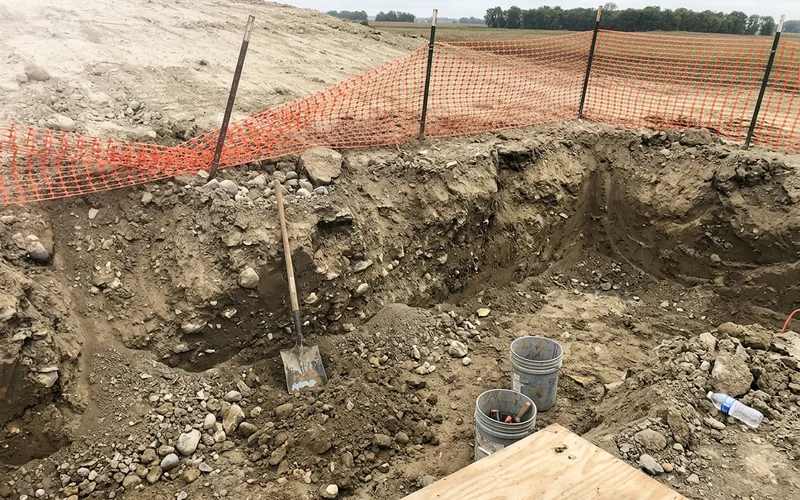
About 12,000 to 14,000 years ago, the last big glacier pushed down into central Iowa. Geologists call that tongue of ice the Des Moines Lobe. It reached roughly as far south as the city of Des Moines, and when it melted it left behind thick layers of glacial till: a mix of clay, silt, sand and crushed rock carried down from the north.
That crushed rock includes small amounts of uranium. The till is fine-grained and spread across a huge area, which gives radon plenty of soil to form in and plenty of paths to travel through. Other glaciers covered the rest of the state earlier, leaving similar soils behind, which is part of why radon is a statewide issue and not just a Central Iowa one.
Where Radon Comes From
Radon is part of a natural decay chain:
- Uranium-238 in soil and rock slowly breaks down over billions of years.
- One of the steps along the way is radium-226.
- Radium decays into radon-222, a gas.
Because radon is a gas, it doesn’t stay put. It moves up through the soil and into the air. Outdoors, it spreads out and stays low. Indoors, it can build up, especially in basements and lower levels.
Why Iowa Homes Pull Radon In
Geology explains why radon is in the soil. The way Iowa homes are built and lived in explains why it ends up inside.
| Factor | Why it raises indoor radon |
|---|---|
| Basements | More foundation surface in contact with soil |
| Cold winters | Warm indoor air rises and pulls soil gas in (the stack effect) |
| Closed-up houses | Less fresh air to dilute radon for months at a time |
| Sump pits and drain tile | Direct openings to the soil under the slab |
| Tighter new construction | Less natural air exchange |
The stack effect is the big one. When it’s 10°F outside and 70°F inside, warm air rises and leaks out the top of the house. Air has to come in somewhere to replace it, and some of it comes from the soil through the basement floor and walls. That’s why many Central Iowa homes test higher in winter.
How High Is High?
Statewide surveys are often cited at an average of around 8.5 pCi/L for Iowa homes. That’s roughly double the EPA’s 4.0 pCi/L action level, the point where the EPA recommends fixing a home. The EPA also suggests considering mitigation between 2.0 and 4.0 pCi/L, and the World Health Organization uses a lower reference level of 2.7 pCi/L.
Averages hide a lot. Two homes on the same street can test very differently, one well under the action level and the other several times over it. Soil, cracks, sump pits, the age of the home and how it’s heated all play a part.
Why Testing Is the Only Way to Know
You can’t see, smell or taste radon. There are no symptoms that tell you it’s there. Your neighbor’s result doesn’t predict yours. The only way to know your home’s level is to test it.
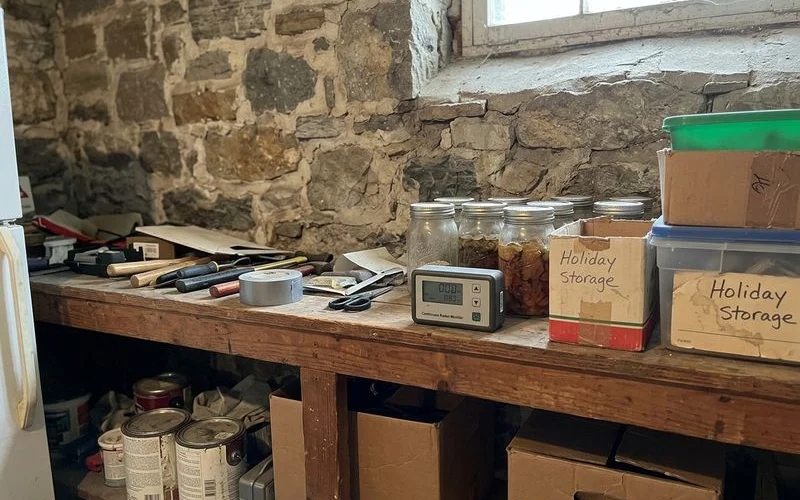
A professional radon test with a continuous monitor takes at least 48 hours and gives you hourly data plus an average pCi/L. If you’ve already tested and your number came back high, read what to do after a high radon test. It walks you through the next steps without the panic.
The Good News
High radon is very fixable. A sub-slab depressurization system routinely brings Central Iowa homes from above 4.0 pCi/L to below 1.0 pCi/L. It’s usually installed in one visit, and our systems carry a 5-year warranty. If you’re in Des Moines or the surrounding counties and want a straight answer about your home, give us a call. We answer 24/7.