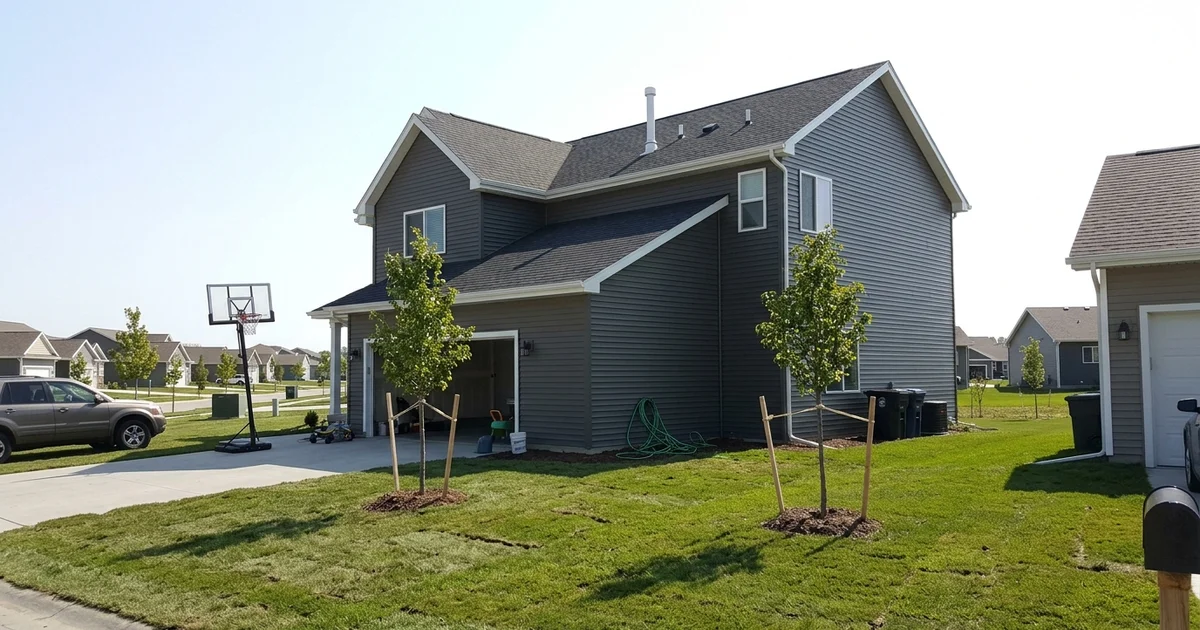
Passive vs. Active: The Short Answer
A passive radon system is a sealed vent pipe from under the slab to above the roof, with no fan. It relies on natural air pressure to move soil gas out. An active system adds an inline fan that creates steady suction under the slab. Active systems lower radon far more reliably. For most new Iowa homes, the smart plan is to build a passive system that’s fan-ready, test after move-in, and add the fan if the result is at or above 4.0 pCi/L.
Both start with the same foundation work we do for new construction radon systems: a gas-permeable gravel layer, a sealed plastic soil-gas retarder, sealed slab openings and a vent stack. The only difference is the fan.
Our recommendation for Iowa
Build every new home fan-ready. Test once you’ve moved in. If the result is 4.0 pCi/L or higher, activate the system. It’s quick when the wiring is already there.
How a Passive System Works
In a passive system, warm air rising inside the house and wind across the roof create a slight draft up the vent stack. That draft pulls some soil gas from the gravel layer and sends it out above the roof.
The trouble is that the draft is weak and changes with the weather. On mild days it may barely move air at all. EPA materials have long described passive systems as often cutting radon roughly in half. In a state where many homes start well above the action level, half isn’t always enough.
How an Active System Works
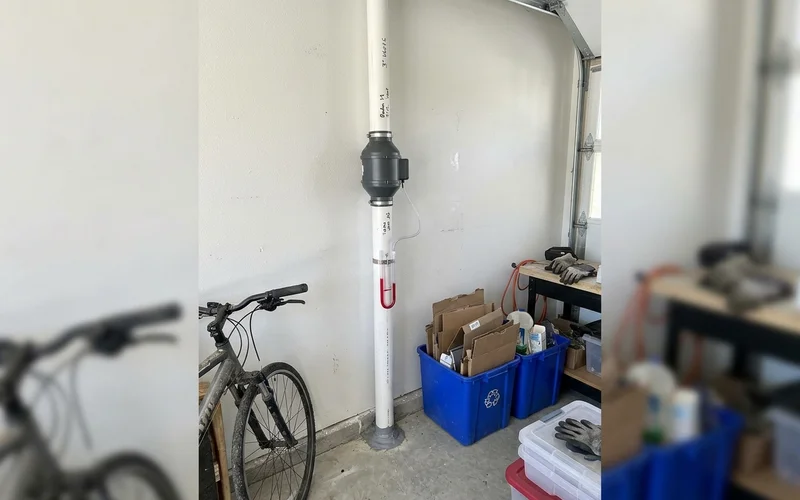
An active system puts an inline radon fan on the vent stack, in the attic, the garage or outside. The fan runs nonstop and creates steady negative pressure under the slab, so radon is pulled into the pipe regardless of the weather. A U-tube manometer on the pipe shows the suction so you can check it at a glance.
Active systems are what we install in existing homes, and they routinely bring Central Iowa homes from above 4.0 pCi/L to below 1.0 pCi/L.
Side-by-Side Comparison
| Passive system | Active system | |
|---|---|---|
| Fan | None | Inline radon fan, runs 24/7 |
| Typical reduction | Modest; often around half | Large; homes routinely below 1.0 pCi/L |
| Weather sensitivity | High; varies with temperature and wind | Low; steady suction |
| Operating cost | None | Fan electricity, roughly 20 to 100 watts |
| Noise | None | Low hum, outside living space |
| Monitoring | Hard to tell if it’s working | U-tube manometer on the pipe |
| Best for | Low-radon sites, or as a fan-ready start | Iowa homes testing at or above 4.0 pCi/L |
Cost: Build Time vs. Later
The biggest cost question isn’t passive vs. active. It’s whether the home is fan-ready.
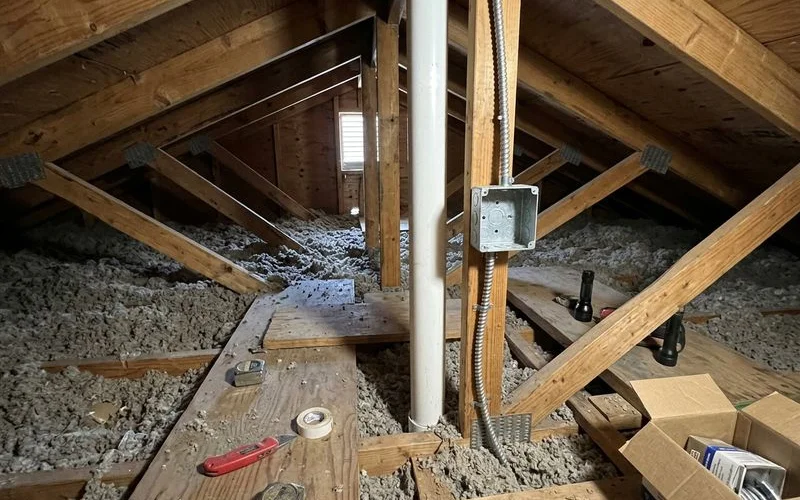
- Fan-ready passive build. The stack runs through a spot where a fan can go, usually the attic, and an electrician puts a junction box next to it. Activation later is a short visit.
- Passive build with no plan for a fan. If the stack is buried in a finished wall with no power nearby, activation takes more work.
- Active from day one. You pay for the fan up front, but skip the second visit. Some builders and buyers prefer this in Zone 1.
Then there’s operating cost. A radon fan runs all the time, so it uses some electricity. Our fan operating cost breakdown shows how to estimate it from the fan’s wattage and your utility rate.
Noise, Looks and Warranty
Noise. Fans never go in the living space. In the attic or garage, most homeowners don’t notice them. Looks. Interior stacks through the house and attic keep everything out of sight. Warranty. Every system we install or activate carries a 5-year warranty on the system and installation.
How to Decide
Use this simple logic:
- Building now? Install a sealed, labeled, fan-ready passive system. That’s the minimum for a Zone 1 home.
- Want to skip the second visit? Go active from day one.
- Already moved in? Get a radon test once the HVAC is running.
- Result 4.0 pCi/L or higher? Activate. We add the fan and manometer and retest.
- Result between 2.0 and 4.0? Consider activating. The EPA suggests considering action in that range.
Already Have a Passive Pipe That Tests High?
Many newer homes in growing areas like Waukee, Ankeny and Grimes were built with a passive stack. If yours tests high, we add an inline fan and a U-tube manometer, check the suction, and retest. Activation is usually done in one afternoon. Call (515) 218-7447 any time, or ask about our new construction radon systems for your next build.