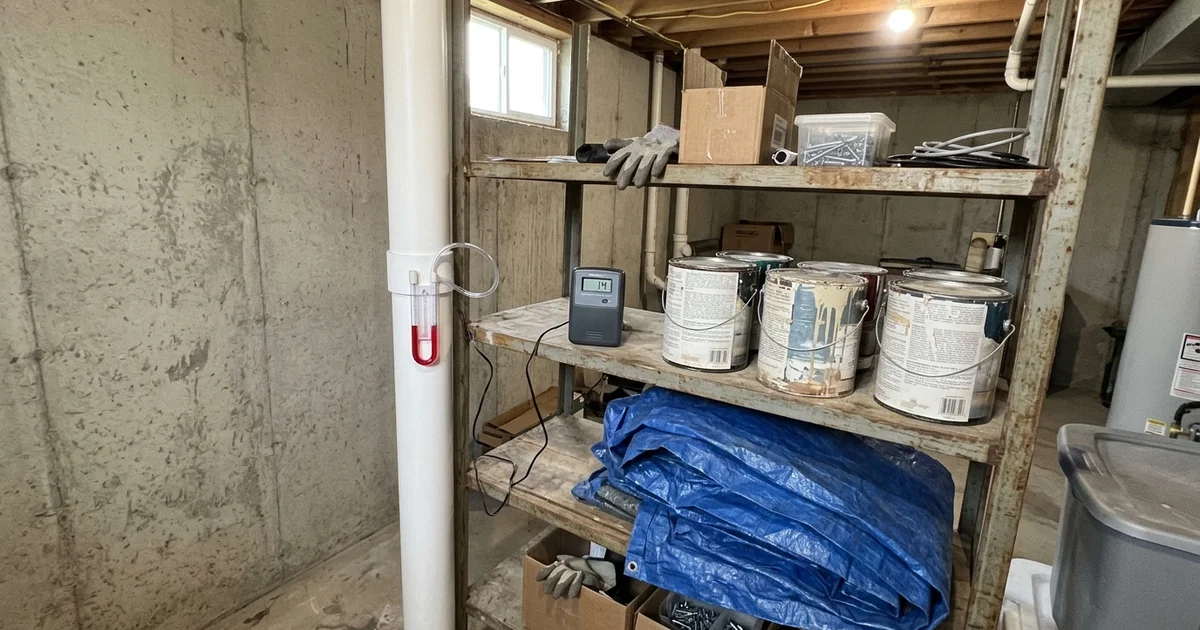
What Is a Post-Mitigation Radon Test?
A post-mitigation radon test, also called a clearance test, is the test that proves your new radon system works. It’s run after the system has been operating for at least 24 hours, under closed-house conditions, in the same lowest lived-in level where radon was first measured. A good result is well under 4.0 pCi/L, and most of the systems we install bring homes below 1.0 pCi/L.
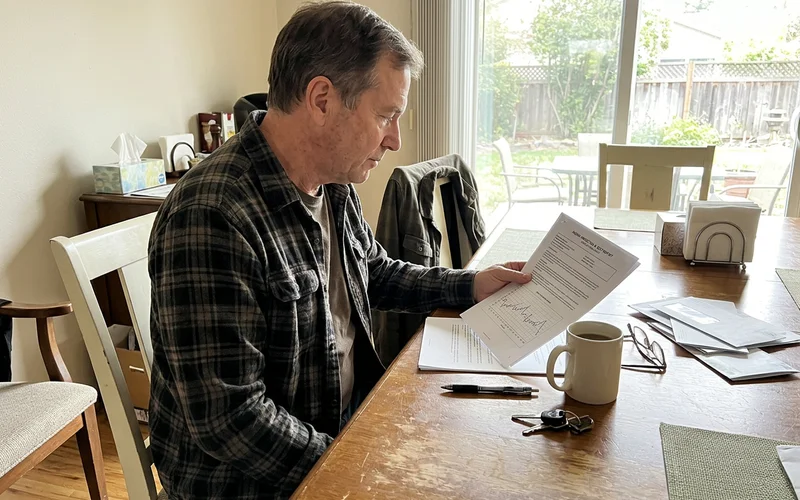
The clearance test is part of our radon testing service, and it’s included with every system we install. Without it, you’re trusting that the fan is doing its job. With it, you have a number on paper.
Why it matters
The manometer tells you the fan is pulling suction. Only a test tells you how much radon is actually in your home. You want both.
When Is the Clearance Test Done?
Timing follows the ANSI/AARST standards that guide radon work in the U.S.:
- Wait at least 24 hours after the fan is turned on. This gives the system time to depressurize the soil and clear radon that was already in the house.
- Start within about 30 days of the install. This confirms the system as installed, before anything else in the house changes.
- Test in the same spot as the original test when possible, in the lowest level you use or could use as living space.
For real estate deals, we schedule the install and the clearance test together so results land before closing.
What Are the Test Conditions?
The clearance test follows the same rules as any short-term radon test:
| Condition | What to do |
|---|---|
| Windows and outside doors | Keep closed 12 hours before and during the test, except normal entry and exit |
| Furnace and AC | Run as normal |
| Whole-house or window fans | Don’t use them during the test |
| Test length | At least 48 hours |
| Device | Calibrated continuous radon monitor, placed away from drafts and the sump |
We use continuous radon monitors that log every hour. That way you can see the levels stay low through day and night, not just one average.
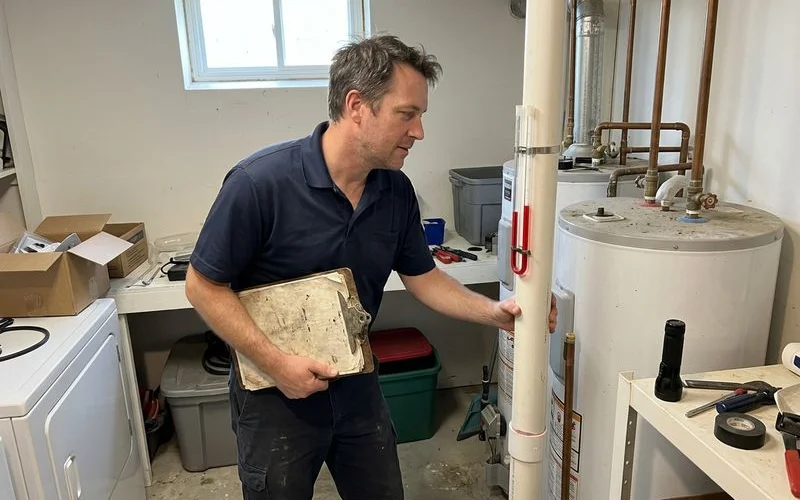
What Results Should You Expect?
On homes that tested above the EPA’s 4.0 pCi/L action level, our sub-slab systems routinely bring levels below 1.0 pCi/L, with up to 98.9% reduction. Your report shows the average pCi/L and the hourly graph.
Here’s how to read your result:
- Below 2.0 pCi/L. Strong result. Retest every two years.
- 2.0 to 3.9 pCi/L. Below the action level, but we’ll look at whether the system can do better.
- 4.0 pCi/L or higher. The system needs adjustment. We’ll diagnose and fix it.
What If Radon Is Still High?
It doesn’t happen often, but it does happen. Common causes are an unsealed opening we couldn’t see before, tight soil that limits how far suction spreads, or a second foundation area like a crawl space that needs its own suction point.
When a clearance test comes back high, we come back. We check suction at the manometer, look for leaks, and run diagnostics to see where the pressure field falls short. Then we adjust, which can mean more sealing, a stronger fan or an added suction point, and we retest. Our 5-year warranty covers our systems and installation.
Keep the Report
Your clearance report is a document worth keeping. Buyers ask for it during a home sale, and it shows future owners the system was verified. File it with your manometer reading from install day.
After the Clearance Test
Your system will run quietly in the background. Every so often, glance at the U-tube manometer. If the liquid levels are even, the fan has stopped. Call us. Retest every two years, and after big changes like finishing the basement.
New to how these systems work? Read how a radon mitigation system works. Just got a number back and not sure what to do? See our guide on what to do after a high radon test result.